CarbGeM’s AI-powered Nugent scoring automates bacterial vaginosis diagnosis, offering faster, consistent results. It supports clinics, labs, telehealth, and global health, improving accuracy and access. This innovation enhances women’s health diagnostics and aims for future integration with microbiome tools and regulatory approval as a medical-grade AI solution.
(White Paper)Revolutionizing Vaginal Health Diagnostics: AI-Powered Nugent Scoring and the Future of Microbiome Assessment
■ Summary:
Automated Nugent scoring systems are emerging as a promising approach to standardize and accelerate the diagnosis of bacterial vaginosis through Gram-stain image interpretation. As personalized and microbiome-aware medicine gains prominence in women’s health, AI-driven tools are offering new pathways for consistent, rapid, and objective assessment of vaginal flora. This white paper examines recent innovations in vaginal health diagnostics and highlights Nugent Score AI as one example of such developments within this evolving field. One example of such a system is Nugent Score AI by CarbGeM, which uses AI to interpret Gram-stained slides and provide standardized Nugent score classifications.
1. Introduction: Why This Topic Matters
Vaginal infections like bacterial vaginosis (BV) represent a major burden in women’s healthcare, with BV accounting for up to 50% of vaginitis cases (Sobel JD. Annu Rev Med. 2000). Misdiagnosis remains a pressing issue, with accuracy rates in clinical practice often below 50% (Hillier SL et al., J Clin Microbiol. 1992). Manual Nugent scoring, though considered a gold standard, is both time-consuming and subject to inter-observer variability. The need for scalable, accurate, and standardized diagnostic methods has never been more urgent.
At the same time, the vaginal microbiome is increasingly recognized as a key determinant in reproductive health, pregnancy outcomes, and susceptibility to infections (Ravel J, et al. Proc Natl Acad Sci USA. 2011). With the convergence of artificial intelligence (AI), digital microscopy, and microbiome science, a new era of vaginal diagnostics is emerging.
See more... (リンク »)
■ Summary:
Automated Nugent scoring systems are emerging as a promising approach to standardize and accelerate the diagnosis of bacterial vaginosis through Gram-stain image interpretation. As personalized and microbiome-aware medicine gains prominence in women’s health, AI-driven tools are offering new pathways for consistent, rapid, and objective assessment of vaginal flora. This white paper examines recent innovations in vaginal health diagnostics and highlights Nugent Score AI as one example of such developments within this evolving field. One example of such a system is Nugent Score AI by CarbGeM, which uses AI to interpret Gram-stained slides and provide standardized Nugent score classifications.
1. Introduction: Why This Topic Matters
Vaginal infections like bacterial vaginosis (BV) represent a major burden in women’s healthcare, with BV accounting for up to 50% of vaginitis cases (Sobel JD. Annu Rev Med. 2000). Misdiagnosis remains a pressing issue, with accuracy rates in clinical practice often below 50% (Hillier SL et al., J Clin Microbiol. 1992). Manual Nugent scoring, though considered a gold standard, is both time-consuming and subject to inter-observer variability. The need for scalable, accurate, and standardized diagnostic methods has never been more urgent.
At the same time, the vaginal microbiome is increasingly recognized as a key determinant in reproductive health, pregnancy outcomes, and susceptibility to infections (Ravel J, et al. Proc Natl Acad Sci USA. 2011). With the convergence of artificial intelligence (AI), digital microscopy, and microbiome science, a new era of vaginal diagnostics is emerging.
See more... (リンク »)
このプレスリリースの付帯情報
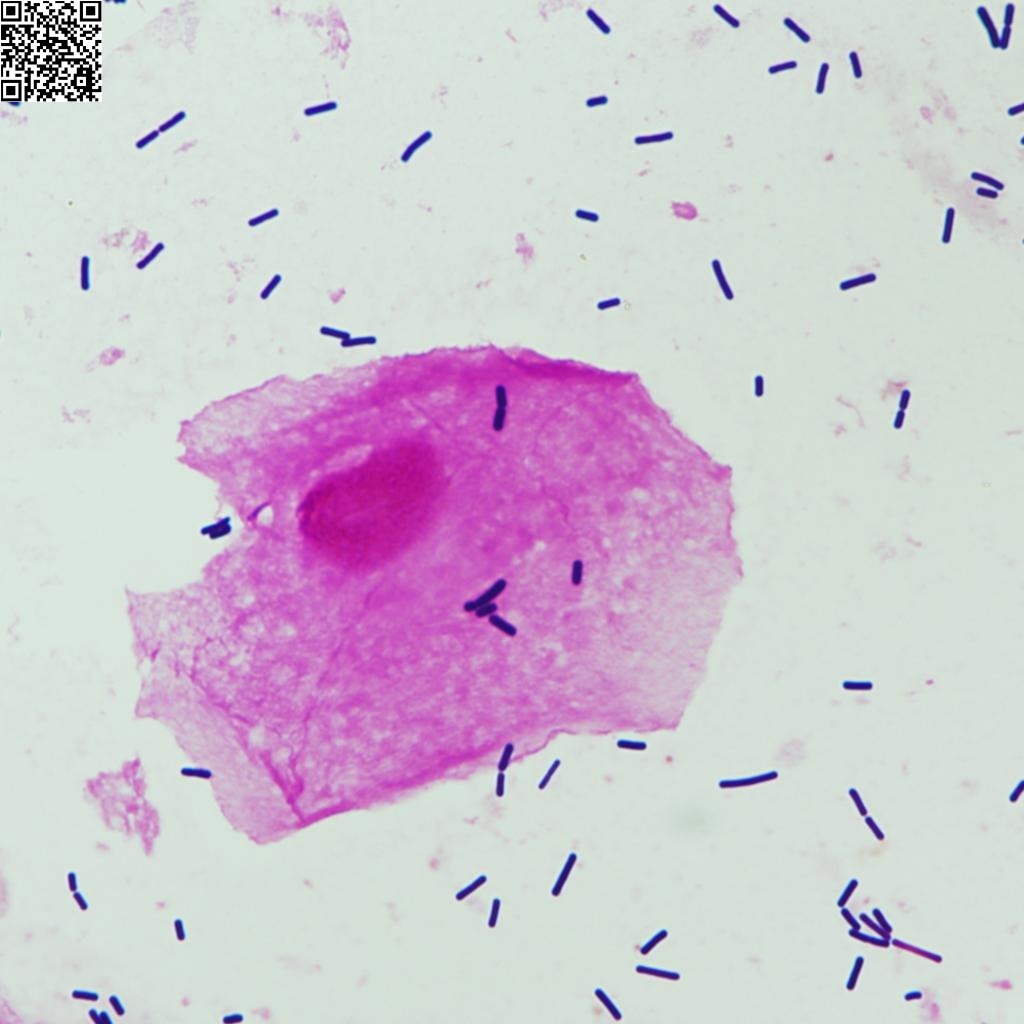 Nugent Score AI app_CarbConnect
本プレスリリースは発表元企業よりご投稿いただいた情報を掲載しております。
お問い合わせにつきましては発表元企業までお願いいたします。
お問い合わせにつきましては発表元企業までお願いいたします。

